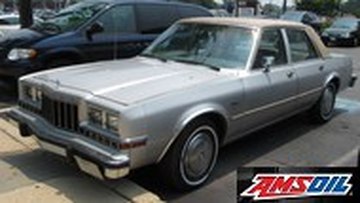
Maintaining Lubrication Standards for the 1982 Dodge DIPLOMAT 5.2L
Proper engine maintenance is a cornerstone of long-term vehicle health, particularly for an engine like the 5.2L found in the 1982 Dodge Diplomat. While modern vehicles often feature automated monitoring systems, older platforms require more hands-on attention to ensure that all mechanical components remain properly lubricated and protected from unnecessary wear.Monitoring Fluid Integrity and Condition
A primary responsibility for any owner is the regular assessment of engine oil condition. Rather than relying solely on a calendar or mileage interval, observing the physical state of the lubricant can provide valuable information about the internal environment of the engine. When performing routine checks, look for changes in the color or consistency of the oil. While some darkening is expected as oil undergoes thermal cycles and collects microscopic debris, extreme discoloration or a gritty texture may warrant closer investigation. Furthermore, if you notice any signs of fluid seepage around the engine block or visible gaskets and seals, it is important to address these early. Addressing minor seepage before it becomes an active leak can prevent more significant issues down the road. If the vehicle has been sitting for extended periods, checking the oil level and appearance before starting the engine is a prudent habit. This ensures that the lubrication system is ready to function immediately upon ignition.Observing Potential Warning Signs
While many mechanical issues develop gradually, certain symptoms can serve as early indicators that the lubrication system or related components require attention. It is important to remember that a single symptom can be associated with various underlying causes, so any unusual observation should be investigated thoroughly. For example, an unusual odor during operation may indicate that oil is contacting a hot external surface. Similarly, if you notice unexpected changes in how the engine sounds during startup or idling, this could be related to lubrication levels or the condition of the lubricant itself. If a warning light or indicator appears on the dashboard, it should be treated with immediate priority. Such indicators are designed to alert the operator to conditions that could potentially lead to mechanical distress. Always consult your owner's manual and professional diagnostic tools to determine the exact cause of any dashboard alerts.Prioritizing Maintenance as the Vehicle Ages
As a vehicle moves through its lifespan, maintenance strategies often shift from purely preventive measures to more condition-based monitoring. For a 1982 Dodge Diplomat, this means using the current physical state of the engine and its components to dictate service priorities rather than relying on assumptions based solely on age. If you are stepping into ownership of a vehicle with an incomplete service history, establishing a maintenance baseline is a logical first step. This involves performing a comprehensive inspection of all fluids, belts (if equipped), and hoses (if present) to understand the current state of the vehicle. Once this baseline is established, you can more accurately track changes over time. When managing an older engine, it is helpful to distinguish between necessary repairs and unnecessary parts replacement. Focus on addressing active leaks, visible wear on accessible components, or any signs of previous neglect first. Keeping a detailed log of all completed services, including the specific products used and the dates they were applied, will assist in making informed decisions about future maintenance needs.Inspecting Peripheral Engine Components
Beyond the oil itself, several surrounding components play a role in the overall health of the engine environment. During routine service, it is beneficial to perform visual inspections of accessible parts that support engine operation. If equipped, inspect all visible drive belts for signs of deterioration such as cracking, glazing, or fraying. Similarly, if the vehicle is equipped with various hoses, check them for softness, bulging, or evidence of leaks at the connection points. Even if these components appear functional, a regular visual check can help identify aging materials before they fail during operation. Electrical connections and wiring harnesses should also be inspected for signs of corrosion or fraying. Ensuring that electrical integrity is maintained helps prevent interference with other engine-related sensors or systems.Effective Long-Term Ownership Strategies
Successful long-term ownership of a 1982 Dodge Diplomat relies on consistency and documentation. A well-maintained vehicle is often the result of an owner who responds to small changes before they escalate into major mechanical requirements. Reviewing available repair records can provide insight into what has already been addressed, which helps in planning future service. If no records exist, the aforementioned process of establishing a baseline through thorough inspection becomes even more critical. By monitoring how the vehicle behaves under different operating conditions and noting any changes in fluid consumption or appearance, you can develop a customized maintenance approach that respects the specific needs of your engine.Practical Guidance for Buying Engine Oil for your 1982 Dodge DIPLOMAT 5.2L
When it is time to replenish the lubrication in your engine, accuracy in selection is paramount. To ensure the longevity and proper function of the 5.2L engine, you must match the lubricant to the specific requirements of the application. Always refer to the vehicle-specific oil viscosity and application information provided on this webpage before making a purchase. Do not rely on general automotive knowledge or assumptions based on the age of the vehicle to determine which grade is appropriate. When browsing products, consider the following:- Verify Labeling: Always check the product packaging to ensure it meets the specifications listed in your application information.
- Formulation Options: Depending on the specific needs identified in your application data, you may choose between conventional, synthetic blend, or full synthetic formulations. Some high-mileage oil formulations also contain additives intended for use in aging engines, including seal-conditioning additives.
- Certification: Ensure the oil carries the appropriate API certification as indicated by your vehicle's requirements.